
Waste Management
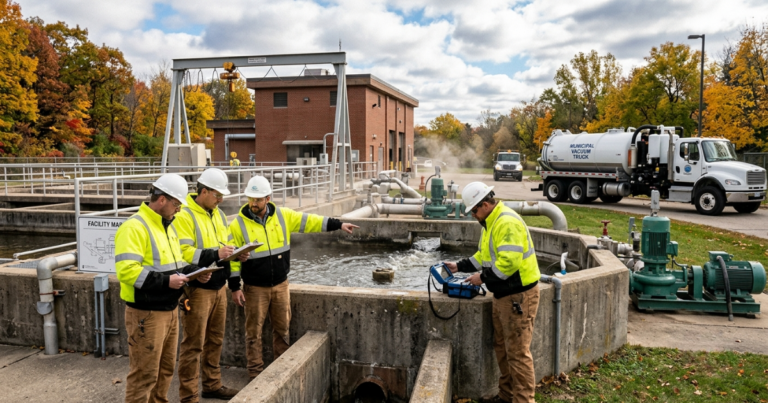
How Municipal Facilities Can Prepare for Seasonal Waste Management Challenges
Municipal facilities operate year-round, but seasonal changes can create additional challenges for waste management and environmental compliance. Increased rainfall, temperature ...
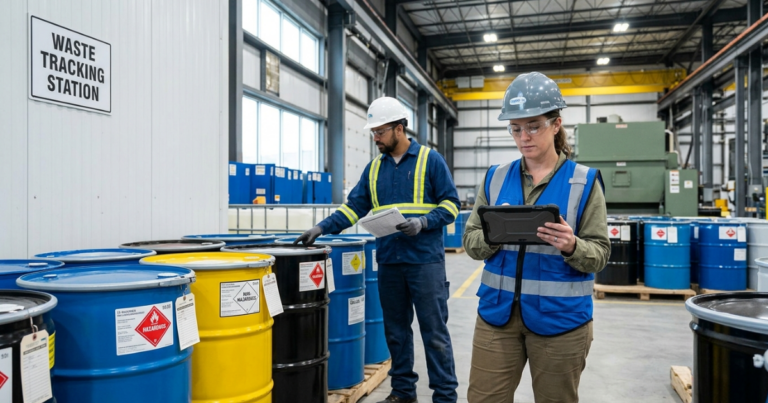
How Industrial Facilities Can Improve Waste Tracking From Generation to Disposal
Industrial facilities generate multiple waste streams every day, from routine production materials to maintenance-related waste. Without a structured tracking process, ...
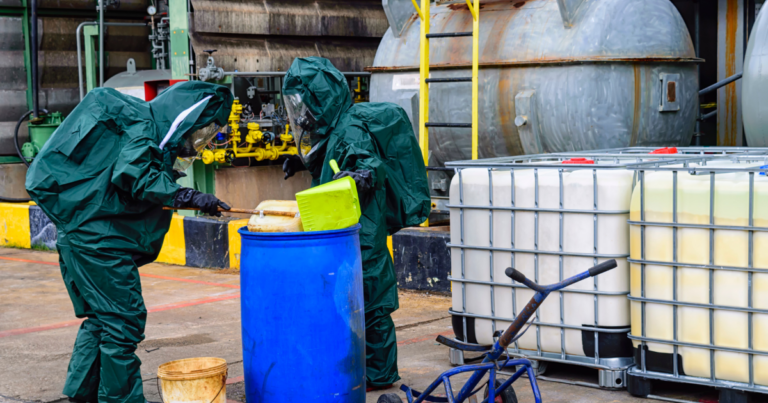
Emergency Spill Response Planning for Industrial Facilities: Key Steps for Compliance Readiness
Spills can occur unexpectedly in virtually any industrial operation. Whether involving fuels, oils, chemicals, wastewater, or other regulated materials, a ...
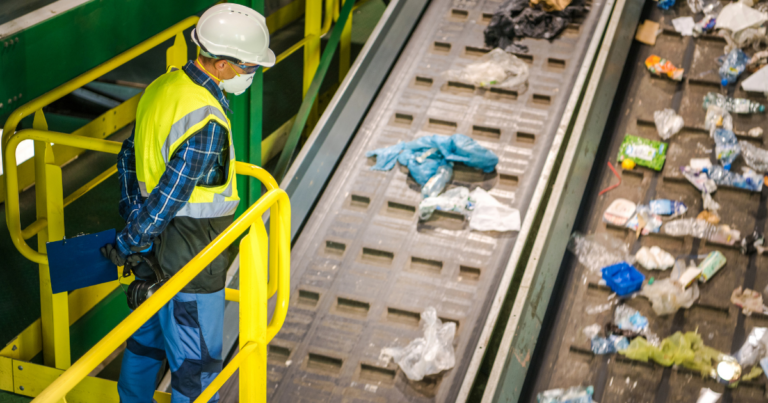
How Waste Characterization Impacts Disposal Costs and Regulatory Compliance
Industrial facilities generate a wide range of waste streams, each with unique handling, transportation, and disposal requirements. One of the ...
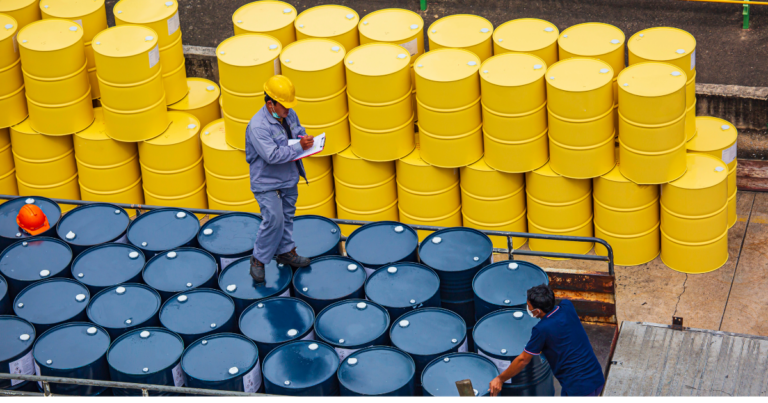
Industrial Liquid Waste Storage Requirements: Compliance Risks and Best Practices
Industrial facilities generate a wide range of liquid waste streams, including process wastewater, spent chemicals, oils, sludges, and other byproducts ...
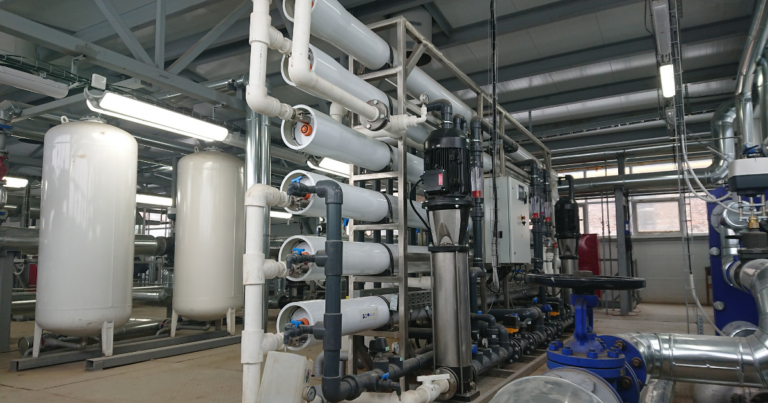
Optimizing Industrial Oil System Maintenance to Improve Equipment Lifespan and Efficiency
Industrial oil systems are essential to the performance of heavy equipment, production machinery, and facility operations. When these systems are ...
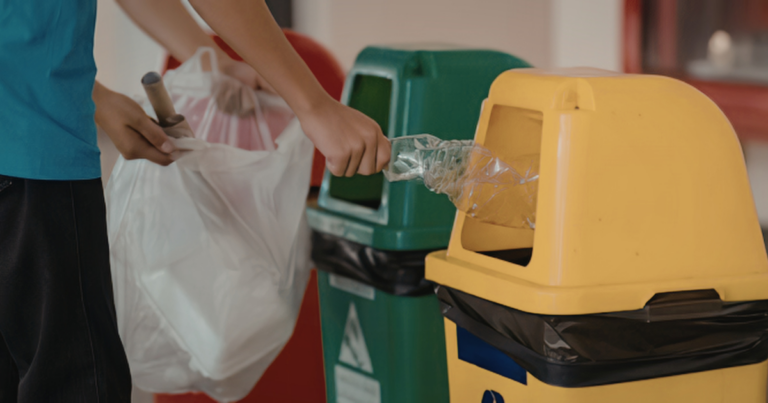
Building a Facility-Wide Waste Characterization Program for Better Compliance and Control
Most industrial facilities handle multiple waste streams daily, but many still rely on inconsistent or outdated classification methods. This creates ...

Low-Level PFAS Management Challenges in Municipal and Industrial Facilities
Per- and polyfluoroalkyl substances (PFAS) present one of the most complex environmental challenges facing industrial and municipal facilities today. Even ...
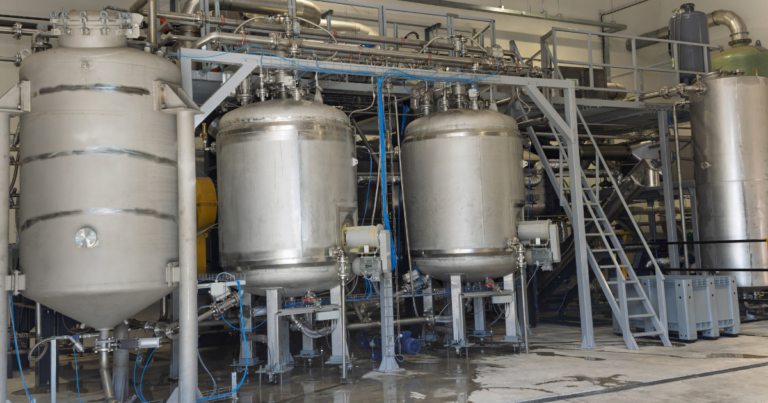
Industrial Liquid Waste Handling: Risks, Compliance, and Best Practices
Industrial liquid waste management is one of the most operationally sensitive components of environmental compliance. Unlike solid waste streams, liquid ...

The Role of Waste Profiling in Reducing Industrial Compliance Risk
Waste profiling is one of the most important yet often overlooked components of industrial waste management. It forms the foundation ...
Emerging Trends in Sustainable Industrial Waste Management for 2026
Industrial facilities are under increasing pressure to manage waste responsibly while staying compliant with evolving regulations. In 2026, sustainable waste ...
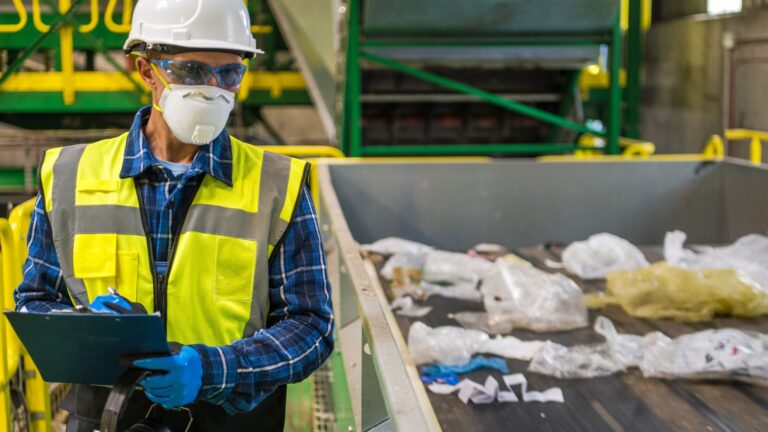
How Non-Hazardous Waste Audits Improve Compliance and Efficiency
Many facilities generate large volumes of non-hazardous waste, yet mismanagement can create compliance risks and unnecessary disposal costs. Regular non-hazardous ...